Winging it – my first solo art exhibition
I’m an emerging artist in my fifties, based in Australia, and this year I’m preparing for my first art exhibition and artist residency. It’s a huge step — and I’m currently doing it without a proper studio, since my family and I had to move into temporary accommodation after a freak tornado hit our home a year ago.
Yes, a tornado, that’s not a typo. More on that to follow as it’s now twelve months of living away from our home, but in this post I’m recording how I’m planning for my first show because it’s giving me something different to focus on.
Onto the exhibition planning, a great distraction from our upheaval. Despite the chaos, I’ve found ways to keep moving forward, and I wanted to share what’s helping me in case you’re also planning your first exhibition and feeling a bit unsure where to begin.
Here’s what I’ve figured out so far — and what might help you too:
1. Start with a Visual Plan
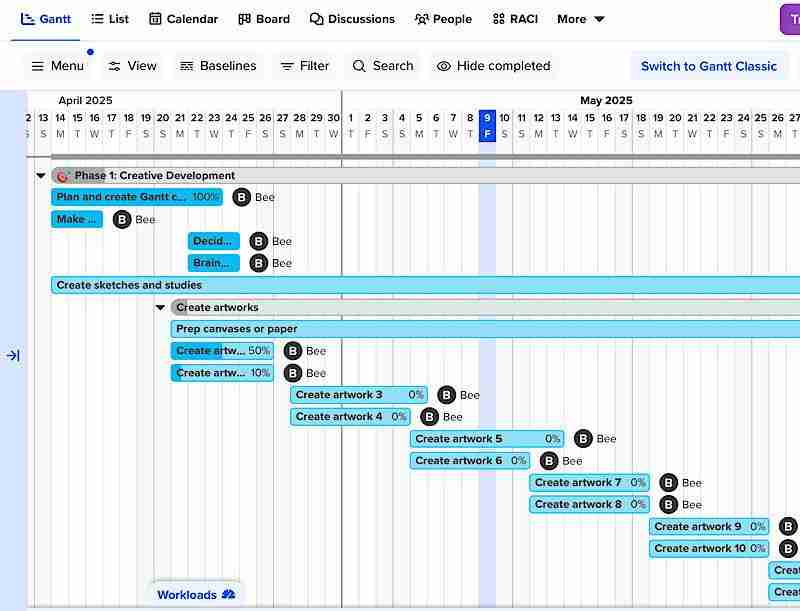
One of the first things I did was write a to do list of all the tasks I imagine I’ll have to do, and adding them to a Gantt chart to create a timeline from the exhibition date back to the present. I used a free account with TeamGantt. Breaking things down into weekly goals helped me see the whole picture without feeling overwhelmed.
If you’re someone who works better with visual structure, this kind of planning tool can make a huge difference. Pair it with a weekly or daily planner so you can manage your time in a way that suits your real life — even when it gets messy.
So far, I can see I’m a little bit behind schedule so I’d better crack on and have more painting days.
2. Build in Accountability
Share updates with a friend or even use a reward chart to keep you accountable for doing the work. Seriously, they’re kind of fun even at my age. I have to admit, I love putting a sticker on each day when I’ve done something towards my goal.
Find what works to give you a boost when motivation runs low.
3. Pick a Theme and Vibe for your First Art Exhibition That Excites You
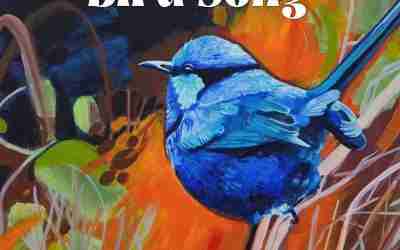
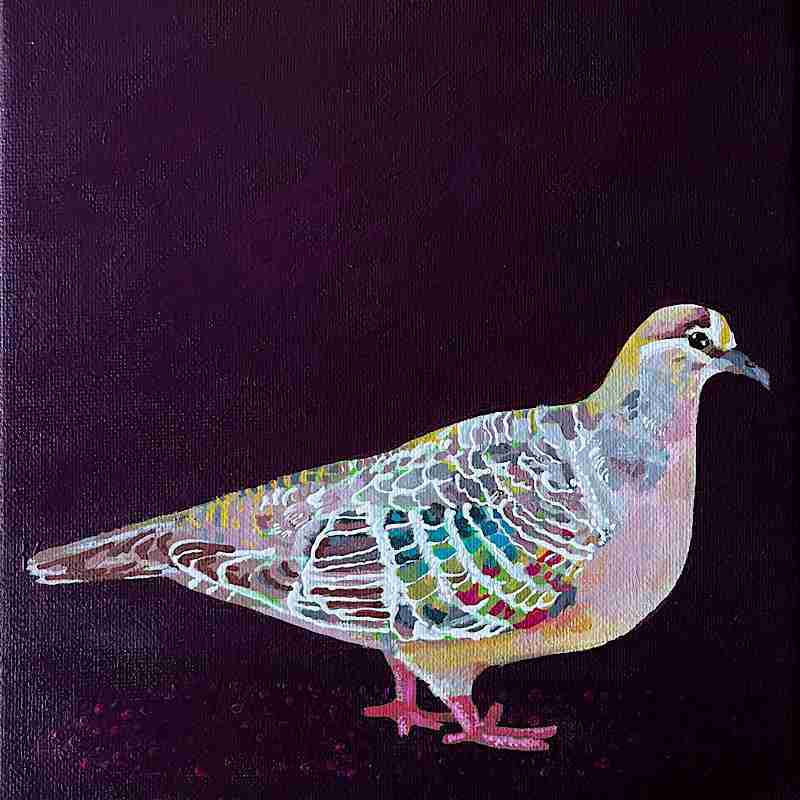
The best decision I made was choosing a clear theme early on. For me, it’s bird art. After experimenting for a long time painting portraits, pets, houses, florals, abstracts, I recently painted a Bronzewing pigeon as a fundraiser for our local arts centre and something just clicked. That moment of enlightenment helped guide the entire exhibition towards birds – a subject that brings me immense joy and I hope will give the same for my visitors.
If you’re not sure what your theme is yet, notice what subjects feel fun and energising — what you return to again and again. Let your curiosity lead the way.
4. Work Out Your Budget — Make Another List
It’s worth taking time early on to figure out what your exhibition might cost. Start a list of potential expenses: things like gallery hire, promotion and marketing materials, catering and drinks for opening night — even framing or transport if needed.
Knowing what you’ll need to spend means you can start planning how to cover those costs, whether that’s through savings, grants, fundraising, or scaling things to suit your budget.
5. Keep Your ‘Why’ Close
Preparing for this show is more than just ticking off a to-do list. For me, it’s part of reclaiming a dream I’ve held for years — even through self-doubt, life upheaval, and changing circumstances.
You could also create a vision board of what you want your exhibition to look or feel like, happy visitors and lots of red dots on your artworks. Whatever your story, your first exhibition is a powerful step in your journey as an artist. You don’t need to have it all figured out — just begin, and keep going.
Congratulations, you got to the end, I hope some of that has helped.
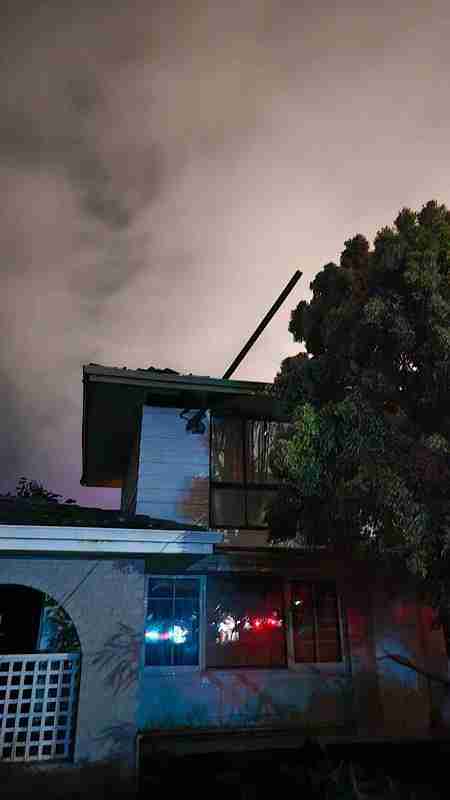
On that other subject, here’s a photo my husband took of some of the damage to our house just after the storm. We have reached our one year anniversary since it happened so I think it’s an appropriate time to share the story.
Coming soon.